

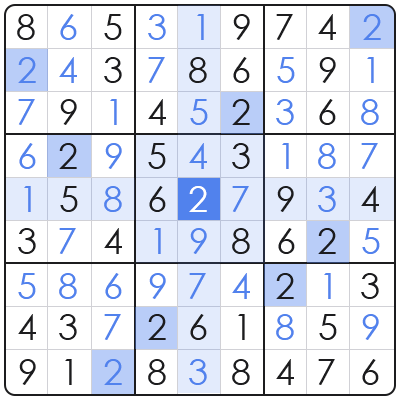
Playing Sudoku faster fundamentally involves a systematic application of logical deduction combined with optimized pattern recognition, transforming a time-consuming recreational activity into a refined exercise in cognitive efficiency. This objective analysis delves into the methodologies and principles that underpin accelerated Sudoku resolution, moving beyond mere trial-and-error to embrace a strategic, analytical approach. In the current landscape of cognitive challenges, the ability to solve complex puzzles quickly signifies not just intellectual prowess but also a mastery of structured problem-solving. This article addresses the primary challenge faced by many Sudoku enthusiasts: stagnating speed despite increasing familiarity with the rules. The problem is often not a lack of understanding but an absence of structured techniques and a clear strategic framework. Based on structural analysis, achieving higher speeds in Sudoku is less about innate talent and more about developing a robust mental toolkit. This deep dive will dissect the core components of rapid Sudoku solving, providing actionable insights derived from established best practices in analytical discipline. From a framework perspective, mastering speed in Sudoku is a transferable skill applicable to various problem-solving scenarios in professional and personal domains alike.
Structural Analysis: The Underlying Mechanics of Faster Sudoku Play
The underlying mechanics of faster Sudoku play hinge on a deep understanding of the grid’s inherent constraints and how numbers interact across rows, columns, and 3×3 blocks. This structural analysis reveals that the grid is not merely a collection of 81 cells but a highly interconnected network where each entry influences 20 other cells directly. Recognizing these dependencies forms the bedrock of efficient candidate elimination.
From a technical perspective, rapid Sudoku resolution begins with an optimized initial scan, focusing on cross-hatching and identifying ‘naked singles’ — cells where only one number is possible due to existing numbers in its row, column, and block. This systematic initial sweep, performed with precision, significantly reduces the search space and provides foundational entries that unlock further deductions. The efficiency of this stage directly impacts the overall solution time, making it a critical first step.
Furthermore, understanding ‘pencil marks’ as a temporary, visual representation of potential candidates for each empty cell is paramount. In practical application, effective pencil marking is not about scribbling every possibility but selectively noting candidates, particularly when a cell has only two or three options. This focused approach to candidate tracking prevents mental overload and streamlines the process of identifying more advanced patterns.
Strategic Frameworks for Accelerated Sudoku Resolution
Strategic frameworks for accelerated Sudoku resolution involve transitioning from basic cell-by-cell analysis to recognizing broader patterns and interdependencies across the grid. These frameworks provide a systematic method to break down complex puzzles into manageable, solvable segments. A core component is the ‘Hidden Single’ technique, which identifies a number that can only exist in one specific cell within a row, column, or block, even if other candidates are present in that cell.
Another vital strategic framework is the identification of ‘Naked Pairs,’ ‘Naked Triples,’ and ‘Naked Quads.’ These occur when a set of N cells in a row, column, or block contain exactly N candidates, and these N candidates are restricted to those N cells. For example, if two cells in a row only contain candidates {2, 5} and {2, 5} respectively, then 2 and 5 can be eliminated as candidates from all other cells in that row. This advanced elimination technique significantly prunes the candidate list, unveiling further solutions.
Based on established analytical methods, advanced players frequently employ ‘Hidden Pairs,’ ‘Hidden Triples,’ and ‘Hidden Quads.’ Unlike ‘Naked’ sets, these patterns identify candidates that, while appearing in multiple cells, are constrained to a specific set of N cells within a row, column, or block for their placement. Identifying these hidden relationships requires a more nuanced scan of pencil marks and is a hallmark of truly accelerated Sudoku play, often breaking through plateaus encountered with simpler strategies.
Implementing Advanced Sudoku Techniques Step-by-Step
Implementing advanced Sudoku techniques step-by-step facilitates a methodical and efficient approach to solving complex grids. The first step involves an exhaustive ‘Initial Scan and Cross-Hatching,’ systematically filling in all obvious ‘naked singles’ by checking each row, column, and 3×3 block for numbers that can only fit in one cell. This foundational phase should be performed quickly and accurately to establish a baseline of known values.
The second crucial step is ‘Comprehensive Pencil Marking with Selective Pruning.’ Instead of filling every single possible candidate, focus on cells with 2-3 candidates. Once a ‘naked single’ or a ‘hidden single’ is found, immediately erase that number as a candidate from all related cells (its row, column, and block). This selective pruning keeps the candidate lists clean and manageable, reducing visual clutter and mental strain.
Step three involves ‘Pattern Recognition for Naked and Hidden Sets.’ Once pencil marks are established, actively scan for ‘naked pairs/triples’ or ‘hidden pairs/triples’ within rows, columns, and blocks. When identified, eliminate those candidates from all other cells in that respective unit. This iterative process of finding a pattern, eliminating candidates, and then rescanning for new singles or patterns is the core loop of faster Sudoku solving. Consistently applying these steps elevates problem-solving speed and accuracy.
Comparative Efficiency: Sudoku Speed Strategies vs. Traditional Approaches
Comparing Sudoku speed strategies with traditional, often slower, approaches reveals significant differences in their operational efficiency and resource utilization. Traditional methods, characterized by trial-and-error or exhaustive mental enumeration of possibilities, often lead to increased solution times and higher error rates due to cognitive overload. In contrast, structured speed strategies, built on logical deduction and pattern recognition, streamline the entire problem-solving process.
Below is a comparative analysis based on key dimensions, highlighting why an analytical framework for how to play sudoku faster represents an optimization over less systematic methods. From a framework perspective, the adoption of advanced techniques significantly shifts the balance towards higher efficiency and less effort.
Strategy | Complexity | Efficiency | Frequency of Use
Basic Scanning (Manual) | Low | Moderate | High
Pencil Marking (Systematic) | Medium | High | High
Naked/Hidden Sets (Pattern Recognition) | High | Very High | Medium
Advanced Techniques (X-Wing, etc.) | Very High | Extreme | Low
Navigating Common Pitfalls in Fast Sudoku Play and Their Solutions
Navigating common pitfalls in fast Sudoku play requires an awareness of prevalent mistakes and the application of professional advice to circumvent them. One frequent mistake is ‘premature guessing’ when faced with a seemingly intractable puzzle. This leads to branching errors, requiring extensive back-tracking and significantly increasing solution time. The professional solution is to stick rigorously to deduction; if no logical step is apparent, review existing candidates or look for advanced patterns, never guess.
Another significant pitfall is ‘over-marking’ or sloppy pencil marks, where every empty cell is inundated with all nine possible candidates. This creates visual clutter and makes pattern recognition exceedingly difficult, paradoxically slowing down the process. The professional advice is to apply ‘focused candidate marking,’ only noting candidates in cells with 2-3 options, or using a systematic approach where candidates are added only after an initial scan has revealed no singles.
A third common error is ‘stagnating on basic techniques’ and failing to evolve one’s skill set. Players may become proficient with singles but struggle when these dry up, reverting to slower methods. The strategic solution involves dedicating practice time to learning and integrating advanced patterns like X-Wings, Swordfish, or unique rectangles. Based on structural analysis, continuous skill development is crucial for consistent improvement in how to play sudoku faster, turning potential bottlenecks into new avenues for progress.
Frequently Asked Questions on Optimizing Sudoku Performance
What is the best first step to play Sudoku faster? The best first step is a thorough initial scan for ‘naked singles’ through cross-hatching, systematically identifying all numbers that can only fit in one cell within their respective rows, columns, and blocks.
How can I avoid errors when trying to solve Sudoku quickly? To avoid errors, maintain meticulous pencil marks and double-check each deduction. Rushing is a primary cause of mistakes; a systematic, rather than hurried, pace ensures accuracy.
Are advanced Sudoku techniques necessary for speed? Yes, for intermediate to hard puzzles, advanced techniques like ‘Naked/Hidden Pairs/Triples’ and ‘X-Wings’ are crucial for breaking stalemates and significantly reducing solution times.
What is the most effective way to practice for faster Sudoku? The most effective way to practice is to consistently apply structured techniques, analyze completed puzzles to identify missed opportunities, and gradually increase puzzle difficulty while maintaining accuracy.
How long does it take to significantly improve Sudoku speed? Significant improvement in Sudoku speed typically takes consistent practice over several weeks to months, focusing on mastering specific techniques and developing rapid pattern recognition skills.
In conclusion, the journey to how to play sudoku faster is a structured evolution, moving from rudimentary understanding to an advanced, analytical mastery of grid logic and pattern recognition. This deep dive into its mechanics, strategic frameworks, and implementation steps underscores the strategic value of systematic problem-solving. Based on structural analysis, consistent application of these refined techniques not only accelerates Sudoku resolution but also hones broader cognitive skills essential for analytical challenges. From a framework perspective, achieving speed in Sudoku is a testament to disciplined practice and a forward-looking commitment to continuous intellectual refinement within the cognitive domain.