

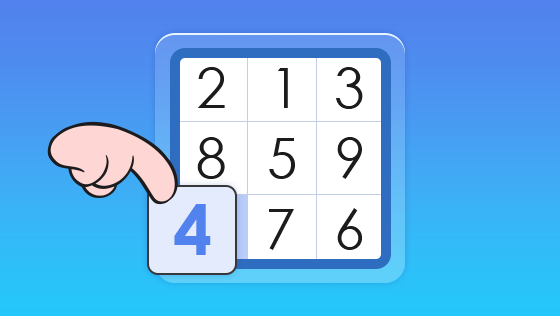
Solving a Sudoku puzzle is a quintessential exercise in logical deduction and pattern recognition, rooted in combinatorial mathematics. At its core, how solve a sudoku puzzle involves filling a 9×9 grid with digits such that each column, each row, and each of the nine 3×3 subgrids contains all of the digits from 1 to 9. This seemingly simple premise masks a rich tapestry of strategies and analytical techniques that can be applied to puzzles ranging from beginner-friendly to fiendishly difficult. From a framework perspective, Sudoku is not merely a game but a structured problem-solving paradigm that demands systematic thinking and iterative refinement. It exemplifies constraint satisfaction, where each digit placement is dictated by the existing numbers and the unique placement rules. Understanding how solve a sudoku puzzle is therefore less about guessing and more about developing a robust methodology for identifying certainties amidst possibilities. The primary problem Sudoku addresses in the current landscape of cognitive challenges is the cultivation of sustained focus and deductive reasoning skills. In an era often characterized by fragmented attention, engaging with a Sudoku puzzle offers a valuable opportunity to hone mental acuity, improve concentration, and practice strategic foresight, all within a self-contained and logical system. This article will delve into the structural analysis of Sudoku, dissecting the fundamental principles and advanced techniques required for comprehensive puzzle resolution.
Core Principles of Sudoku Problem Solving
The foundational principle of how solve a sudoku puzzle relies on the rule of uniqueness: each digit (1-9) must appear exactly once in every row, every column, and every 3×3 block. Based on structural analysis, this triple constraint creates a highly interdependent system where the placement of one number often reveals implications for many others across the grid. Successful solvers internalize these rules, allowing them to rapidly scan the grid for immediate certainties and potential deductions.
Understanding the grid’s architecture is paramount. The 9×9 grid is composed of 81 cells, divided into nine rows, nine columns, and nine 3×3 ‘boxes’ or ‘blocks’. Every single cell exists at the intersection of one row, one column, and one block. This geometric relationship is the basis for all logical deductions. For instance, if a specific digit is already present in a row, it cannot appear in any other cell within that same row. The same logic applies to columns and blocks.
In practical application, the initial phase of how solve a sudoku puzzle often involves identifying ‘easy’ placements through simple elimination. This entails systematically checking each row, column, and block for missing numbers and then determining if any of those missing numbers can only fit into a single vacant cell within its respective constraint. This methodical approach forms the bedrock upon which more complex strategies are built, ensuring a solid foundation for subsequent moves.
Step-by-Step Methodology: Single Candidate Techniques
The step-by-step methodology for how solve a sudoku puzzle typically begins with single candidate techniques, which involve finding cells where only one digit can logically fit. The ‘Naked Single’ is the most straightforward: a cell is a Naked Single if, after eliminating all digits already present in its row, column, and block, only one digit remains as a possibility for that cell. Identifying Naked Singles requires diligent scanning across the entire grid, box by box, row by row, and column by column.
A slightly more advanced, yet still fundamental, technique is the ‘Hidden Single’. This occurs when a particular digit can only be placed in one specific cell within a given row, column, or block, even though that cell might have other possible candidate digits. For example, if you are looking for the digit ‘7’ in a specific 3×3 block, and all other cells in that block already contain a ‘7’ in their respective rows or columns (even if the ‘7’ is not in the block yet), then the ‘7’ must go into the one remaining cell where its row and column don’t conflict. This requires a deeper analysis of candidate sets.
Efficiently applying these single candidate techniques involves creating a candidate list for each empty cell, either mentally or by jotting down possibilities. As numbers are placed, these candidate lists must be updated, triggering a cascading effect of new eliminations and potential Naked or Hidden Singles. This iterative process is crucial for progressing through the puzzle, systematically reducing uncertainty until the grid is complete.
Advanced Sudoku Strategies: Candidate Elimination
Beyond single candidate methods, how solve a sudoku puzzle often necessitates advanced candidate elimination strategies that leverage patterns across multiple cells. ‘Locked Candidates’ is a powerful technique where if a candidate digit for a particular row or column is confined to a single 3×3 block, then that digit can be eliminated from all other cells within that 3×3 block (outside of that row/column). This comes in two forms: ‘Pointing’, where candidates in a block point to a row/column, and ‘Claiming’, where candidates in a row/column claim cells in a block.
‘Naked Pairs’ and ‘Naked Triples’ are patterns where two (or three) cells within a row, column, or block contain the exact same two (or three) candidate digits, and no other digits. If these candidate digits appear *only* in these specific cells within that constraint, then these candidates can be eliminated from all other cells within that same row, column, or block. For instance, if cells R1C1 and R1C2 both only have candidates {3,8}, then 3 and 8 can be removed as candidates from all other cells in Row 1.
Conversely, ‘Hidden Pairs’ and ‘Hidden Triples’ are observed when two (or three) specific candidate digits appear only in two (or three) cells within a given row, column, or block, even if those cells also contain other candidates. Once identified, all other candidates in those two (or three) cells can be eliminated, leaving only the ‘hidden’ pair or triple. These advanced techniques require a meticulous and thorough approach to candidate tracking, often making the difference in solving complex puzzles.
Strategic Comparison of Sudoku Solving Approaches
Various approaches exist for how solve a sudoku puzzle, each with differing levels of complexity, efficiency, and application frequency. Comparing these methods provides insight into their strategic value. The following table highlights a comparative analysis of common Sudoku solving techniques, focusing on key dimensions such as the cognitive load and speed of application. A balanced approach often involves moving between these techniques as the puzzle dictates, from the simplest to the most intricate. “””| Technique | Complexity | Efficiency | Frequency of Use |
|—|—|—|—|
| Naked Single | Low | High | Very High (Initial stages) |
| Hidden Single | Low-Medium | High | High |
| Locked Candidate (Pointing/Claiming) | Medium | Medium-High | Medium-High |
| Naked Pair/Triple | Medium-High | Medium | Medium |
| Hidden Pair/Triple | High | Medium | Low-Medium |”””
Based on structural analysis, basic techniques like Naked Singles offer immediate, high-efficiency gains during the initial phases of a puzzle, making them frequently used. As the puzzle progresses, the solver must transition to more complex methods. The efficiency of advanced techniques might appear lower due to the increased cognitive effort, but their strategic importance is critical for breaking through stalemates where basic methods yield no further progress. This dynamic shift in strategy is a hallmark of an expert solver.
From a framework perspective, the iterative application of increasingly complex techniques mirrors real-world problem-solving, where initial obvious solutions give way to requiring more sophisticated analysis. The ‘cost’ here is cognitive, representing the mental resources expended. An optimal solving strategy minimizes this cost while maximizing progress, often by prioritizing the simplest effective technique at any given moment before escalating to more intricate deductions.
Avoiding Common Pitfalls in Sudoku Resolution
In the process of how solve a sudoku puzzle, several common pitfalls can derail progress and lead to frustration. One frequent mistake is ‘premature assumption’, where a solver guesses a number without sufficient logical backing, often leading to a cascade of incorrect placements. Based on structural analysis, this violates the core principle of deductive reasoning. The solution involves rigorous verification of every placement, ensuring it is a Naked or Hidden Single, or a result of a robust candidate elimination technique. If a placement requires a guess, it indicates a need for deeper analysis, not a leap of faith.
Another significant pitfall is ‘incomplete candidate tracking’. Many solvers fail to consistently update candidate lists for all affected cells when a number is placed or eliminated. In practical application, this oversight can lead to missed opportunities for new deductions, prolonging the puzzle or even making it appear unsolvable. The professional advice here is to adopt a systematic approach: mentally (or physically) cross-reference every placed digit with its row, column, and block, and adjust candidates accordingly. Tools like pencil marks for all possible candidates can be invaluable for complex puzzles.
Finally, ‘tunnel vision’ often hinders progress. This occurs when solvers focus too intently on a single area of the grid, neglecting other sections that might offer easier deductions. From a framework perspective, this is an inefficient allocation of attention. To avoid this, an expert solver adopts a holistic scanning strategy, regularly switching focus between rows, columns, and blocks, and looking for patterns across the entire grid. Regularly stepping back to reassess the overall state of the puzzle can reveal opportunities missed during focused analysis.
Frequently Asked Questions About Sudoku Solving
Here are concise answers to common inquiries regarding how solve a sudoku puzzle, designed for quick comprehension and immediate utility.
Q: What is the very first step in how solve a sudoku puzzle? A: The first step is to scan the grid for Naked Singles. Look for cells where only one number can fit based on existing digits in its row, column, and 3×3 block.
Q: Is guessing ever an acceptable strategy in Sudoku? A: No, true Sudoku solving relies purely on logic and deduction. Guessing should be avoided as it often leads to errors and can make the puzzle unsolvable.
Q: How do I improve my Sudoku solving speed? A: Practice regularly, and focus on systematic scanning. Internalize basic techniques like Naked and Hidden Singles, and gradually introduce advanced strategies.
Q: What if I get stuck on a difficult Sudoku puzzle? A: When stuck, review your previous steps for errors. If no errors, revert to careful candidate marking for all empty cells to uncover Hidden Singles, Pairs, or Locked Candidates.
Optimizing Your Sudoku Strategy for Peak Performance
Beyond fundamental techniques, optimizing how solve a sudoku puzzle involves developing meta-strategies for efficient progression. This includes prioritizing sections of the grid with the fewest empty cells, as these areas often yield more immediate deductions. Furthermore, maintaining a disciplined approach to candidate tracking, whether mentally or through pencil marks, drastically reduces the potential for errors and facilitates the identification of complex patterns.
From a framework perspective, an expert solver doesn’t just apply techniques; they apply them strategically. They might employ a ‘snapshot’ mental model, reviewing the entire grid’s state after a series of deductions to identify new critical areas. This holistic view prevents tunnel vision and ensures that all potential avenues for progress are considered. This adaptive application of methods is key to tackling the most challenging puzzles.
Finally, continuous learning and pattern recognition are vital. The more puzzles one solves, the more intuitively one recognizes common configurations that lead to specific deductions. This builds a mental library of strategies, allowing for faster and more accurate resolution. This evolution from rule-follower to pattern-recognizer is the ultimate goal in mastering Sudoku.
In conclusion, how solve a sudoku puzzle is a profound exercise in applied logic and systematic problem-solving, offering significant cognitive benefits. By understanding its core structural constraints and employing a range of techniques from basic single candidate identification to advanced candidate elimination, individuals can master even the most intricate grids. The strategic value extends beyond mere entertainment, fostering skills in sustained attention, critical analysis, and iterative refinement—qualities that are universally valuable in any field demanding precise logical thought. The journey to Sudoku mastery is one of continuous deduction, strategic adaptation, and an unwavering commitment to the elegance of logical truth.