

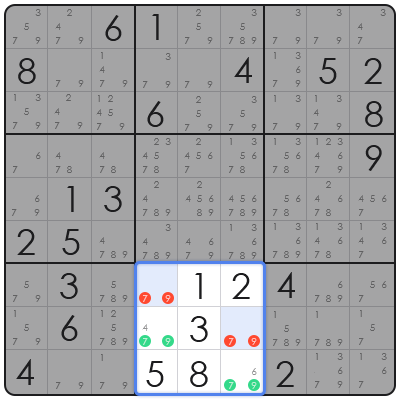
Playing Sudoku on Kindle represents a convergence of traditional logic puzzling and modern e-reader technology, offering a portable and accessible platform for enthusiasts. This digital rendition of the classic number placement game leverages the Kindle’s unique e-ink display and input mechanisms to deliver a focused, distraction-free gaming experience. Its significance lies in extending the utility of e-readers beyond reading, transforming them into versatile tools for mental engagement and entertainment. From a framework perspective, the integration of Sudoku onto Kindle devices primarily solves the problem of convenience and environmental impact associated with paper-based puzzles. Users no longer need to carry physical books or magazines, nor do they contribute to paper waste. Instead, a vast library of puzzles becomes instantly accessible, manageable, and solvable on a single, lightweight device, aligning with contemporary demands for digital solutions in all aspects of daily life. Based on structural analysis, this article will delve into the technical underpinnings of how Sudoku functions on Kindle, provide a step-by-step guide for engaging with the game, and offer a comparative analysis against traditional methods. Furthermore, we will explore common pitfalls and professional solutions, concluding with a strategic overview of its role in the evolving landscape of digital entertainment and e-reader technology.
Understanding Sudoku on Kindle: A Technical Overview
Sudoku on Kindle refers to the integration of the classic logic puzzle game onto Amazon’s e-reader devices, typically accessed through dedicated apps from the Kindle Store or pre-installed games. The underlying logic involves adapting the traditional 9×9 grid, along with numerical input and validation rules, to the specific hardware and software constraints of the Kindle platform. This often means optimizing for grayscale e-ink displays, touch or button-based navigation, and limited processing power.
The mechanics revolve around the Kindle’s operating system handling game applications. Unlike tablets, which run full-fledged operating systems, Kindles utilize a more streamlined Linux-based system optimized for reading. Game applications are typically lightweight, designed to consume minimal resources, preserving battery life and maintaining the e-ink screen’s characteristic lack of backlight-induced eye strain. Input methods vary by model, ranging from on-screen keyboards for number entry to direct touch input on grid cells.
Components of a Kindle Sudoku experience include the digital game file itself, often a downloadable application from the Kindle Store, and the device’s inherent hardware capabilities. These capabilities encompass the responsive e-ink screen for visual display, the touch interface or physical buttons for user interaction, and the internal storage for housing puzzle libraries. From a framework perspective, the synergy between these elements creates a unique, focused puzzle-solving environment distinct from tablet or smartphone gaming.
Step-by-Step Guide to Accessing Sudoku on Your Kindle
Playing Sudoku on your Kindle typically involves navigating the Kindle Store to acquire a suitable game and then launching it from your device’s library. This process is straightforward and designed for user accessibility, ensuring even novices can quickly engage with their preferred puzzles.
**Step 1: Discover and Acquire Sudoku Games.** Begin by ensuring your Kindle is connected to Wi-Fi. From the Kindle’s home screen, tap ‘Store’ or ‘Shop’. In the search bar, type ‘Sudoku games’ or ‘Sudoku puzzles’. Browse the results, which often include free and paid options. Look for games with good reviews and compatibility with your specific Kindle model. Once you’ve selected a game, tap its title, review the details, and then select ‘Buy’ or ‘Get’ to download it to your device.
**Step 2: Locate and Launch the Game.** After the download is complete, the Sudoku game will appear in your Kindle Library, usually under ‘All Items’ or a ‘Games’ filter if available. Navigate to your library from the home screen and scroll or search for the game’s title. Tap on the game’s icon to launch it. The initial launch may involve a brief loading screen as the application initializes.
**Step 3: Understand the Game Interface and Controls.** Upon launching, most Sudoku games present a grid and input options. For touch-screen Kindles, you’ll typically tap a cell to select it, then use a numerical keypad that appears to enter your desired number. Some games might allow ‘pencil marks’ (candidate numbers) by tapping a cell multiple times or using a dedicated button. For Kindles with physical buttons, navigation might involve directional buttons to move the cursor and specific buttons for number entry. In practical application, familiarizing yourself with the specific game’s control scheme for a few minutes will significantly enhance your experience.
Comparative Analysis: Kindle Sudoku vs. Traditional Puzzles
Comparing Kindle Sudoku with traditional paper-based or physical versions highlights distinct advantages and trade-offs across several dimensions, including complexity, efficiency, and cost. This analysis underscores the value proposition of digital puzzling on e-readers.
From a complexity perspective, both digital and traditional Sudoku offer a wide range of difficulty levels. However, Kindle versions often incorporate features like hint systems, error checking, and undo functions, which can simplify the puzzle-solving process for beginners or provide assistance on harder grids. Traditional puzzles, by contrast, demand pure mental fortitude and manual error correction, potentially increasing perceived complexity for some users. Efficiency is significantly higher with Kindle Sudoku due to instant access to new puzzles, the ability to save progress, and the elimination of physical erasing or re-drawing. The digital format also means puzzles are always clean and legible, unlike potentially worn-out paper versions.
In terms of cost, the initial investment in a Kindle device is substantial. However, once acquired, many Sudoku apps offer hundreds or thousands of puzzles for a one-time purchase, or even free. This contrasts with traditional paper puzzles, which require continuous purchases of books or magazines. Over time, the digital approach often proves more cost-effective for avid puzzlers. From an environmental standpoint, Kindle Sudoku drastically reduces paper consumption, aligning with sustainable practices. This aspect positions digital puzzles as a more eco-conscious choice compared to their physical counterparts.
Frequency of access and portability also favor Kindle Sudoku. A Kindle device can hold countless puzzles, making it an ideal travel companion without adding bulk. Traditional puzzles require carrying multiple books for variety or extended play. In practical application, the Kindle’s battery life also ensures prolonged engagement without needing frequent recharging, unlike other digital devices, further enhancing its appeal for on-the-go puzzling.
Common Pitfalls and Professional Solutions
Users frequently encounter challenges when engaging with digital Sudoku on e-readers, primarily related to display characteristics, input limitations, and game availability. Addressing these common pitfalls with professional solutions can significantly enhance the user experience.
**Pitfall 1: Eye Strain and Input Precision.** While e-ink screens are designed to reduce eye strain, prolonged focus on intricate grids, combined with the occasional need for precise touch input, can still be tiring. Professional solution: Ensure you are playing in well-lit conditions to maximize the e-ink display’s benefits. Take regular breaks to rest your eyes. If your Kindle supports a stylus (like the Kindle Scribe), utilize it for more precise number placement, which can alleviate finger fatigue and improve accuracy. For touch-only models, ensure your finger is dry and clean for optimal responsiveness.
**Pitfall 2: Limited Game Features and Options.** Compared to dedicated mobile apps or web-based Sudoku, Kindle versions might offer fewer advanced features, such as elaborate statistics, diverse game modes, or extensive visual customization. Professional solution: Adjust expectations for the Kindle platform; its primary strength is focused, distraction-free puzzling, not feature parity with full-color tablets. Explore different Sudoku apps in the Kindle Store, as some developers offer more robust features than others. Consider complementary experiences on other devices for advanced features, reserving the Kindle for its core strength of pure, focused gameplay.
**Pitfall 3: Saving and Syncing Progress.** Some users report issues with game progress not saving correctly or syncing across multiple devices (if applicable). Professional solution: Always ensure the game explicitly indicates that your progress has been saved before exiting the application or turning off your device. If the game offers cloud saving options, verify that they are enabled and functioning. Regularly check for updates to the Sudoku app, as developers often release patches to fix saving and syncing bugs. From a framework perspective, consistent software updates are crucial for maintaining optimal game functionality on e-readers.
Frequently Asked Questions About Kindle Sudoku
This section addresses common inquiries about playing Sudoku on Amazon Kindle devices, aiming for quick and precise information to guide users effectively.
**Q1: Can I play Sudoku for free on Kindle?** A1: Yes, the Kindle Store offers several free Sudoku applications, often supported by ads or providing limited puzzles. Paid versions typically offer an ad-free experience with extensive puzzle libraries.
**Q2: Are there different difficulty levels available for Sudoku on Kindle?** A2: Most Kindle Sudoku games include various difficulty settings, from beginner-friendly puzzles to challenging expert grids, catering to all skill levels.
**Q3: Does playing Sudoku drain the Kindle battery quickly?** A3: While playing games consumes more battery than passive reading, e-ink displays are energy-efficient. A Sudoku session will use less power than playing games on a tablet or smartphone.
**Q4: Can I use a stylus to play Sudoku on Kindle?** A4: Certain Kindle models, specifically the Kindle Scribe, support stylus input, providing a more natural and precise way to interact with Sudoku grids and make notes.
**Q5: Is there an offline mode for Kindle Sudoku?** A5: Once downloaded, most Sudoku games on Kindle can be played entirely offline, making them perfect for travel or areas without internet access.
In conclusion, playing Sudoku on Kindle devices offers a compelling blend of traditional puzzle enjoyment with the distinct advantages of e-reader technology. Its strategic value lies in providing an accessible, portable, and environmentally conscious platform for mental engagement, transforming the e-reader into a versatile tool for digital entertainment. The ongoing evolution of e-ink displays and device capabilities suggests a future where focused, distraction-free digital puzzling will continue to thrive. From a framework perspective, the enduring appeal of Sudoku combined with the unique characteristics of the Kindle ensures its continued relevance for a broad audience of logic puzzle enthusiasts seeking a refined digital experience.