

How to Solve Sudoku: A Step-by-Step Guide
Sudoku, a popular puzzle game that challenges your logic and concentration, has captivated puzzle enthusiasts worldwide. If you’re new to Sudoku or looking to improve your skills, here’s a comprehensive guide on how to play and solve Sudoku puzzles.
What is Sudoku?
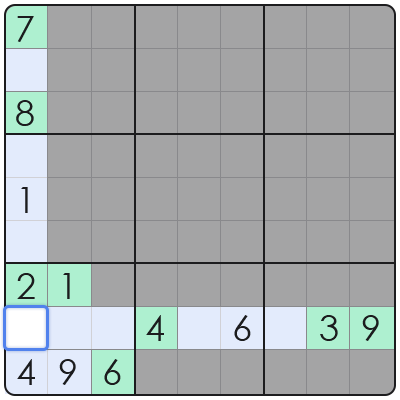
Sudoku is a logic-based, combinatorial number-placement puzzle. The objective is to fill a 9×9 grid with digits so that each column, each row, and each of the nine 3×3 subgrids that compose the grid (also called "boxes", "blocks", or "regions") contain all of the digits from 1 to 9.
Getting Started
-
Grid Structure: A Sudoku grid is divided into 9 rows and 9 columns, forming a 9×9 grid. The grid is further divided into nine 3×3 subgrids.
-
Puzzle Setup: Sudoku puzzles typically start with some of the squares pre-filled with numbers. The goal is to fill in the empty squares so that each row, column, and 3×3 subgrid contains all of the digits from 1 to 9.
Step-by-Step Guide to Solving Sudoku
-
Look for Single Candidates: Start by identifying squares where only one number can fit. These are called "single candidates."
-
Use the Process of Elimination: Eliminate numbers from rows, columns, and boxes that cannot possibly be placed based on the current puzzle state.
-
Apply Pigeonhole Principle: If a row, column, or box has two squares left unfilled and these squares can only contain two different numbers, then those two numbers must be placed in those squares.
-
Use X-Wing and Swordfish Techniques: These advanced strategies involve identifying patterns that can help narrow down the possible placements of numbers.
-
Check for Unique Pairs or Triplets: If two or three squares in a row, column, or box can only contain two or three different numbers, those numbers must be placed in those squares.
-
Backtracking: If you reach a point where no single candidate exists and no elimination can be made, you may need to use backtracking. This involves guessing a number for an empty square, filling in the grid, and then checking if this leads to a contradiction. If a contradiction arises, the guess is incorrect, and you must backtrack to try a different number.
-
Look for Patterns: Some Sudoku puzzles have hidden patterns that can be identified by looking at the numbers already placed in the grid.
Tips for Solving Sudoku
- Take Your Time: Sudoku is a puzzle that requires patience and careful thinking. Don’t rush through it.
- Write Down Possibilities: Use a pencil and paper to jot down possible numbers for each square. This can help you keep track of your thinking.
- Practice Regularly: The more you practice, the better you’ll become at solving Sudoku puzzles.
By following these steps and tips, you’ll be well on your way to mastering the art of Sudoku. Happy solving!