

Exploring the Various Types of Sudoku: A Comprehensive Guide and Tutorial
Sudoku, a popular puzzle game that has gained immense popularity worldwide, offers a wide variety of types and variations. Each type brings its unique challenges and excitement. In this article, we will explore the different types of Sudoku, their玩法, and provide a step-by-step tutorial to help you master this engaging puzzle game.
-
Standard Sudoku:
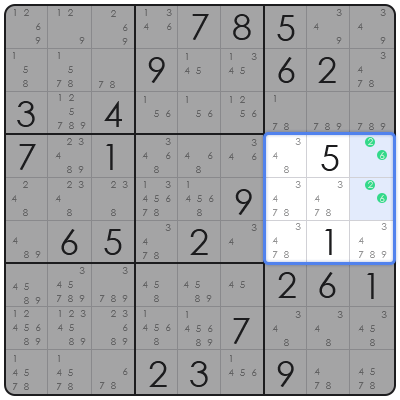
The most common type of Sudoku is the standard 9×9 grid, divided into nine 3×3 subgrids called regions. The objective is to fill the grid with numbers from 1 to 9, ensuring that each number appears exactly once in each row, column, and region. -
Mini Sudoku:
Mini Sudoku is a smaller version of the standard Sudoku, typically a 6×6 grid. It follows the same rules as the standard Sudoku but with fewer numbers and regions. This type is suitable for beginners and offers a quicker challenge. -
Jigsaw Sudoku:
Jigsaw Sudoku introduces a twist by using irregularly shaped regions instead of the traditional 3×3 regions. The objective remains the same, but the unique shapes add an extra layer of complexity. This type is highly recommended for those who enjoy a bit more of a challenge. -
Diagonal Sudoku:
Diagonal Sudoku is similar to the standard Sudoku, but with an additional constraint. The numbers must also appear in diagonals from top left to bottom right and top right to bottom left. This type adds an extra challenge by requiring players to consider diagonals while solving the puzzle. -
Samurai Sudoku:
Samurai Sudoku is a larger and more challenging version of Sudoku, combining four standard Sudoku grids in a larger 16×16 grid. The grids are connected at their edges, creating a unique and complex puzzle.
How to Play Sudoku:
- Start by examining the grid and identifying any numbers that can be easily placed based on the rules (e.g., a number that appears only once in a row, column, or region).
- Fill in the empty cells with the identified numbers, ensuring that each number appears exactly once in each row, column, and region.
- Continue the process, gradually filling in more numbers while considering the additional constraints of diagonal Sudoku or Jigsaw Sudoku, if applicable.
- Use logical reasoning and deduction to eliminate possibilities for each empty cell until the entire grid is completed.
Sudoku offers a variety of types and variations that cater to players of all skill levels. By understanding the different types and mastering the basic rules, you can enjoy hours of entertainment and mental stimulation. So, grab a pen and paper, and start solving Sudoku puzzles today!