

In the realm of cognitive challenges, Sudoku stands as a universally acclaimed logic puzzle, captivating millions with its elegant simplicity and profound depth. While seemingly a game of numbers, its essence transcends linguistic barriers, making the process of ‘how to play a sudoku in hindi’ fundamentally identical to playing it in any other language. Based on structural analysis, Sudoku’s enduring appeal lies in its ability to sharpen logical reasoning, enhance concentration, and foster methodical problem-solving skills. It serves as a powerful mental exercise, offering a productive escape from daily stressors and providing tangible cognitive benefits that extend beyond the puzzle itself. From a framework perspective, the primary problem Sudoku solves in the current landscape of digital distractions is the need for focused, analytical engagement. It offers a structured mental workout that encourages patience and precision, traits increasingly valuable in an information-rich world where sustained attention is a premium. This article will delve into the intricacies of Sudoku, explaining its core mechanics and offering a detailed guide, all while affirming its universal applicability, including for speakers of Hindi seeking to engage with this enriching puzzle.
?????? ?? ?????? ?????? (Fundamental Structure of Sudoku)
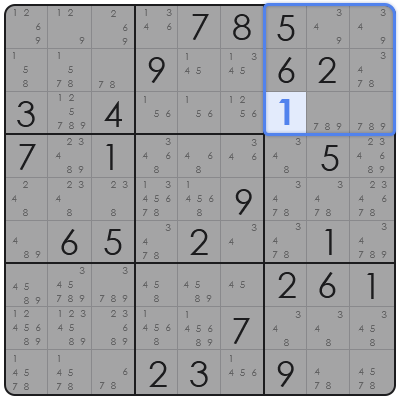
Sudoku’s fundamental structure is a 9×9 grid, which is further subdivided into nine 3×3 smaller grids, often referred to as blocks, boxes, or regions. This layered architecture is crucial for understanding the puzzle’s constraints and solving mechanisms.
Each cell within this 9×9 grid must eventually contain a single digit from 1 to 9. The initial setup of a Sudoku puzzle includes some cells pre-filled with numbers, providing the starting points and clues for the solver.
From a framework perspective, the integrity of the puzzle relies on these three distinct yet interconnected structures: rows, columns, and 3×3 blocks. Mastering the interplay between these elements is key to advancing beyond beginner stages.
???? ????? ??????: ???? ?? ???????? ???? (How to Play Sudoku: Rules and Basic Logic)
How to play Sudoku involves filling the 9×9 grid such that each row, each column, and each of the nine 3×3 blocks contains all of the digits from 1 to 9, without repetition. This direct answer syntax defines the core rule set for the puzzle.
Based on structural analysis, the core logic revolves around elimination and deduction. If a number already exists in a particular row, column, or 3×3 block, it cannot be placed in any other empty cell within that same row, column, or block. This principle of uniqueness is the bedrock of all solving techniques.
In practical application, beginners often start with ‘single candidate’ or ‘naked single’ methods, where they look for cells in a row, column, or block that can logically only contain one specific number based on existing digits. Identifying these immediately reduces the possibilities for other cells.
?????? ?? ???? ?? ???-??-??? ????????? (Step-by-Step Sudoku Solving Process)
Based on structural analysis, the initial step in solving any Sudoku puzzle involves scanning the entire grid to identify obvious placements. This means looking for rows, columns, or 3×3 blocks that are almost complete, as they often reveal ‘naked singles’ quickly.
From a framework perspective, systematically identify ‘hidden singles’ by choosing a specific number (e.g., ‘1’) and checking each row, column, and 3×3 block to see if that number can only be placed in one specific empty cell. Repeat this process for all numbers from 1 to 9, iterating multiple times.
In practical application, after identifying basic singles, advance to more sophisticated techniques such as ‘naked pairs/triples’ or ‘hidden pairs/triples’. These involve identifying two or three numbers that are exclusively candidates for two or three cells within a specific row, column, or block, allowing for the elimination of those numbers from other cells.
Further steps include ‘pointing pairs/triples’ and ‘box/line reduction’, where candidates in a block are restricted to a row or column, or vice versa, thereby eliminating possibilities elsewhere. Consistent iteration through these deduction methods is paramount for successful completion, entirely avoiding the need for guessing.
???? ???? ???????? ?? ?????? ?? ????? (Sudoku’s Comparison with Other Logic Puzzles)
When comparing Sudoku with other logic puzzles like Kakuro or KenKen, several dimensions reveal their distinct characteristics and shared benefits. All three categories significantly enhance cognitive function, yet their mechanisms differ notably.
In terms of Complexity, Sudoku relies solely on number placement and uniqueness across three spatial dimensions (rows, columns, blocks). Kakuro, conversely, adds an arithmetic layer, requiring cells to sum up to a given clue, combining logic with basic math. KenKen integrates various arithmetic operations (addition, subtraction, multiplication, division) within ‘cages’ or outlined groups of cells, demanding both logical deduction and computational skills.
Regarding Cognitive Benefit, Sudoku primarily hones pattern recognition, spatial reasoning, and systematic deduction. Kakuro extends these benefits to include mental arithmetic and sum-based problem-solving. KenKen further develops mathematical fluency alongside logical processing. From an Accessibility standpoint, Sudoku is often considered the most universally accessible due to its minimal prerequisites beyond understanding numbers 1-9 and basic uniqueness rules, making ‘how to play a sudoku in hindi’ as straightforward as in English. Kakuro and KenKen, while also popular, require a stronger grasp of arithmetic.
??????? ??????? ?? ???? ???? ?? ???? (Common Pitfalls and Solutions)
One frequent mistake encountered by players learning ‘how to play a sudoku in hindi’ is an over-reliance on guessing, especially when faced with seemingly complex puzzles. Professional advice is to strictly avoid guessing, as even one incorrect number can propagate errors throughout the grid, making the puzzle unsolvable.
Another common pitfall is not systematically scanning the entire grid for new deductions after each number placement. From a framework perspective, a single correct placement can unlock several new possibilities across different rows, columns, and blocks. The solution involves a methodical re-evaluation of the grid after every confirmed digit.
In practical application, players sometimes fail to double-check their work, leading to errors that are difficult to trace later. It is crucial to periodically verify that all rows, columns, and 3×3 blocks adhere to the unique number rule. This diligent verification prevents accumulated mistakes and reinforces correct logical pathways.
?????? ?? ??? ?? ???????? ?? ?????? (Benefits of Sudoku and its Brain Impact)
Playing Sudoku regularly offers a multitude of cognitive benefits, contributing significantly to mental well-being and brain health. It serves as a potent exercise for the brain, enhancing various intellectual faculties.
Based on structural analysis, engaging with Sudoku puzzles demonstrably improves concentration and focus. The necessity to track numbers and possibilities across a complex grid trains the mind to filter distractions and maintain sustained attention, a skill valuable in many life domains.
From a framework perspective, Sudoku boosts memory and recall, particularly working memory. Players must remember candidate numbers for multiple cells and track the impact of their deductions, thus strengthening neural pathways associated with information retention and processing. Furthermore, it fosters critical thinking and problem-solving abilities, encouraging the brain to seek logical pathways and anticipate outcomes.
?????? ??? ?????????? ?? ?? (Towards Expertise in Sudoku)
Advancing beyond basic Sudoku solving involves mastering more complex techniques that rely on sophisticated pattern recognition and candidate elimination. This progression transforms the puzzle from a simple pastime into a profound logical challenge.
Based on structural analysis, expert solvers often employ strategies like ‘X-Wing’, ‘Swordfish’, and ‘Jellyfish’, which involve identifying patterns of candidate numbers across multiple rows and columns to eliminate possibilities in other cells. These techniques require a comprehensive understanding of how numbers interact across the entire grid.
In practical application, the path to expertise also includes the consistent practice of scanning for ‘locked candidates’ and ‘forcing chains’. These methods demand a high level of analytical insight and the ability to visualize multiple potential outcomes, significantly speeding up the solving process and allowing for the tackling of even the most challenging Sudoku variants.
????? ???? ???? ???? ?????? (Frequently Asked Questions – FAQ)
Q: ?????? ???? ??? A: ?????? ?? ????-??????, ??????????? ??????-????????? ????? ?? ????? ?????? ?? 9×9 ????? ?? 1 ?? 9 ?? ?? ????? ?? ???? ??, ?????? ???????? ??????, ???? ?? 3×3 ????? ??? ??? ??? ??????? ? ????
Q: ?????? ????? ?? ???? ??? ???? A: ?????? ????????, ??????-?????? ???? ?? ??????? ??? ??? ????? ???? ??, ??? ?? ?????? ????? ?? ????? ????? ?? ?? ?????? ???
Q: ???? ?????? ????? ???????? ?? ??? ??? A: ???, ?????? ???????? ??? ?? 1 ?? 9 ?? ?? ???????? ?? ????? ???? ??, ????? ???? ?????????? ???? ?? ???? ?? ?? ???????? ???????? ?? ???? ???? ?? ???? ???
Q: ???? ?????? ?? ????? ??? ???? ?? ???? ??? A: ???????? ?????? ???????? ?? ?????? ??, ?? ????? ???????? ?????????? ???? ???, ??? ???? ???? ????? ???? ?? ????? ???? ?? ????? ?? ??? ???? ????
Q: ??????? ??? ?????? ???? ??? ???? ???? A: ??????? ??? ?? ?????????, ??????? ?? 3×3 ??????? ?? ????? ???????? ?? ???? ??? ?????? ???? ???? ???????? ???? ?? ??? ??? ???, ???? ??? ????????? ???????? ?? ????? ?? ???? ???? ?? ?????? ?? ?????
In conclusion, understanding ‘how to play a sudoku in hindi’ is not just about translating instructions; it’s about recognizing the universal language of logic that Sudoku embodies. The strategic value of engaging with this puzzle extends far beyond mere entertainment, offering profound cognitive benefits and fostering critical mental faculties. From a forward-looking industry insight, the continued popularity of Sudoku underscores the human need for structured intellectual challenges in an increasingly complex world. Its enduring appeal as a tool for mental agility ensures its place as a cornerstone of cognitive development and a testament to the power of logical deduction.