

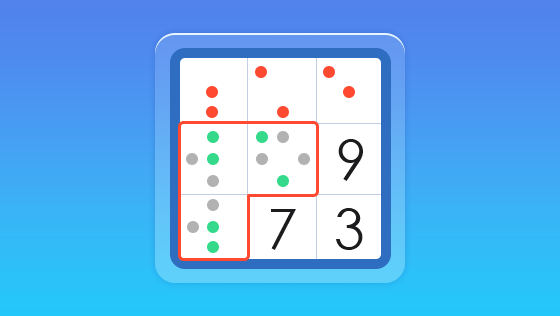
How to Play Sudoku: A Comprehensive Guide
Sudoku, a popular puzzle game, has captivated millions around the world with its simple yet challenging gameplay. If you’re new to Sudoku or looking to improve your skills, here’s a comprehensive guide on how to play Sudoku, including tips and strategies.
What is Sudoku?
Sudoku is a logic-based, combinatorial number-placement puzzle. The objective is to fill a 9×9 grid with digits so that each column, each row, and each of the nine 3×3 subgrids that compose the grid (also called "boxes", "blocks", or "regions") contain all of the digits from 1 to 9. The puzzle setter provides a partially completed grid, which for a well-posed puzzle has a single solution.
The Grid Layout
A standard Sudoku grid is divided into nine 3×3 subgrids. These subgrids are often referred to as "boxes" or "regions." Each row and column also corresponds to a set of nine cells.
The Rules
- Use the Numbers 1-9: Each row, column, and 3×3 subgrid must contain all of the digits from 1 to 9.
- No Repetition: Do not repeat any number in a row, column, or subgrid.
- Start with Clues: The puzzle setter provides some numbers in the grid, known as "clues" or "givens." Use these to guide your solving process.
How to Play
- Start with Givens: Begin by filling in any cells that have a number already provided by the puzzle setter.
- Look for Patterns: Pay attention to rows, columns, and subgrids. Look for where numbers are missing and where they might fit.
- Eliminate Possibilities: Cross out numbers that cannot possibly go in a certain cell based on the rules.
- Use Logic: Apply logical reasoning to deduce where a number must go.
- Look for Groups: Identify groups of cells where a number can only go in one place.
Strategies
- Single Candidate: If a cell has only one possible number, fill it in.
- Single Elimination: If a number can only go in one cell in a row, column, or subgrid, place it there.
- X-Wing and Swordfish: Advanced strategies that involve finding patterns in multiple rows or columns.
- Coloring: Assign colors to rows, columns, and subgrids to track which numbers are in each group.
Practice and Patience
Sudoku is a game that improves with practice. Start with easier puzzles and gradually move to more challenging ones. Remember to be patient and take your time to analyze the grid.
By following these guidelines and practicing regularly, you’ll be well on your way to mastering Sudoku. Happy solving!