

### Sudoku Puzzles and Copyright: Understanding the Legal Landscape
#### Sudoku Puzzles and Their Unique Characteristics
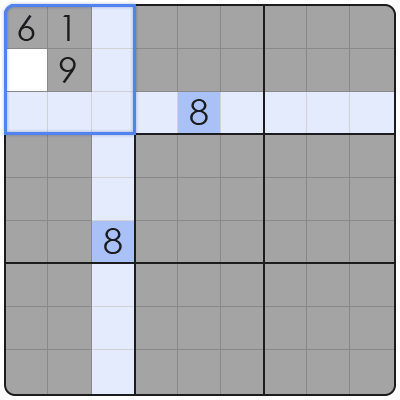
Sudoku puzzles are a popular form of puzzle that involves filling a 9×9 grid with digits so that each column, each row, and each of the nine 3×3 subgrids that compose the grid (also called “boxes”, “blocks”, or “regions”) contain all of the digits from 1 to 9. The unique nature of Sudoku puzzles lies in their structure and the constraints that must be met.
#### Copyright Protection for Sudoku Puzzles
While the basic rules of Sudoku are not copyrighted, the individual puzzles themselves can be protected under copyright law. This is because each Sudoku puzzle is an original work of authorship that is fixed in a tangible medium of expression. Here’s how Sudoku puzzles are copyrighted:
1. **Originality**: Each Sudoku puzzle is created by the puzzle setter, who designs the grid and determines the placement of the numbers. The arrangement of numbers is not just a mere compilation of existing elements but requires creativity and skill.
2. **Fixation**: Sudoku puzzles are fixed in a tangible form, such as a printed book, a digital file, or an online platform. This means that the puzzle exists in a form that can be perceived either directly or with the aid of a machine or device.
3. **Copyrightable Elements**: The arrangement of numbers within the grid, the sequence of clues, and the overall design of the puzzle are all elements that can be protected by copyright.
#### FAQ
**Q: Can anyone create and sell Sudoku puzzles?**
A: Yes, anyone can create Sudoku puzzles. However, if you create a new puzzle that is original and fixed in a tangible medium, you can potentially copyright it. It’s important to note that copyright protection does not prevent others from creating their own puzzles, as long as they are not copying your specific puzzle.
**Q: Can Sudoku puzzles be copied or shared without permission?**
A: Yes, Sudoku puzzles can be copied or shared without permission, but this does not grant anyone the right to distribute or sell the puzzles as their own. If you find a puzzle online or in a book, you can use it for personal enjoyment, but you cannot reproduce it for commercial purposes without the copyright holder’s permission.
**Q: How long does copyright protection last for Sudoku puzzles?**
A: The duration of copyright protection varies by country. In many countries, including the United States, copyright protection for a work typically lasts for the life of the author plus 70 years. For anonymous works, the duration is often 95 years from the year of first publication or 120 years from the year of creation, whichever is shorter.
**Q: Can Sudoku puzzles be used in educational materials?**
A: Sudoku puzzles can be used in educational materials, but the use must comply with copyright laws. If you are using a copyrighted puzzle, you may need to obtain permission from the copyright holder, especially if you are distributing the puzzles to a wide audience.
**Q: What if I find a Sudoku puzzle that seems similar to one I’ve created?**
A: If you find a puzzle that seems similar to one you’ve created, it’s important to consider whether the similarities are due to common puzzle elements or if there is a clear case of copying. If you believe your puzzle has been copied, you may want to consult with a legal professional to understand your options for addressing the situation.
#### Conclusion
Understanding the copyright status of Sudoku puzzles is crucial for both puzzle creators and enthusiasts. While the basic rules of Sudoku are not subject to copyright, the individual puzzles can be protected. It’s always a good idea to respect the original work of others and seek permission when necessary.