

### How to Work Out Sudoku: A Step-by-Step Guide
Hey there, Sudoku enthusiasts! Ready to tackle those tricky puzzles? Whether you’re a beginner or a seasoned solver, here’s a no-nonsense guide to help you master the art of Sudoku. Let’s dive in!
#### Step 1: Understand the Basics
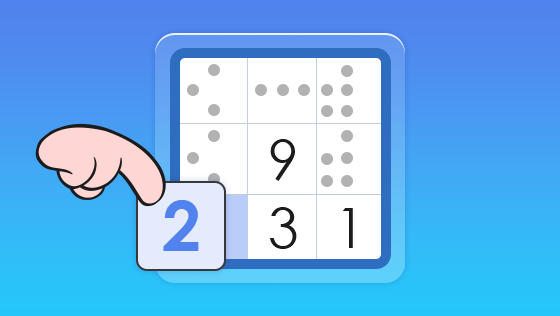
First things first, Sudoku is a logic-based number-placement puzzle. The grid is divided into nine 3×3 subgrids called “boxes.” Your goal is to fill the grid with numbers 1 to 9 so that each row, column, and box contains all the digits exactly once.
#### Step 2: Start with Easy Puzzles
If you’re new to Sudoku, start with easier puzzles. They’ll help you get the hang of the rules and techniques without overwhelming you. Once you’re comfortable, you can move on to more challenging levels.
#### Step 3: Look for Missing Numbers
Begin by scanning the grid for rows, columns, and boxes that have missing numbers. Fill in the obvious ones first. This can give you a head start and make the puzzle easier to solve.
#### Step 4: Use the Process of Elimination
If a number can only go in one place in a row, column, or box, mark all other possible positions with a question mark or a different color. This technique helps you eliminate possibilities and narrow down your choices.
#### Step 5: Look for Patterns
Sudoku puzzles often have patterns that can be exploited. For example, if you notice that a certain number appears in the same column in two boxes, it can’t appear in the remaining boxes in that column.
#### Step 6: Practice, Practice, Practice
Like any skill, Sudoku takes practice. Try solving different puzzles regularly to improve your skills and recognize patterns more quickly.
### FAQs
**Q: Can I use a calculator or a computer to solve Sudoku?**
A: While you can use tools to solve Sudoku, the challenge and satisfaction come from doing it manually. Plus, it’s a great way to exercise your brain!
**Q: What’s the best way to keep track of possibilities?**
A: Use a pencil and paper. Circle or mark the possible numbers in each cell. This way, you can easily update your possibilities as you solve the puzzle.
**Q: Are there different types of Sudoku puzzles?**
A: Absolutely! There are classic Sudoku puzzles, as well as variations like Sudoku X, Diagonal Sudoku, and even Samurai Sudoku. Each type has its own unique challenges.
**Q: How can I improve my Sudoku-solving skills?**
A: Solve puzzles regularly, try different types, and don’t be afraid to experiment with new techniques. The more you practice, the better you’ll become.
Remember, Sudoku is all about having fun and challenging your mind. So, grab a pencil, find a puzzle, and let’s get to work!