

Sudoku Strategy for Beginners: A Comprehensive Guide to the Classic Puzzle Game
Sudoku, a popular puzzle game that has taken the world by storm, is a game of logic and strategy. If you are a beginner looking to master Sudoku, you’ve come to the right place. In this article, we will discuss the basics of Sudoku, provide you with some essential strategies, and help you get started on your journey to becoming a Sudoku expert.
Understanding the Basics of Sudoku
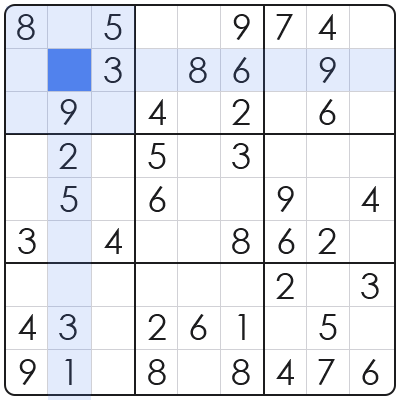
Sudoku is played on a 9×9 grid, which is divided into nine 3×3 subgrids called "boxes" or "regions." The objective is to fill the grid with numbers so that each row, column, and box contains all the digits from 1 to 9. Here are some key points to keep in mind:
- Rows: Each row must contain all the digits from 1 to 9 without repetition.
- Columns: Each column must contain all the digits from 1 to 9 without repetition.
- Boxes: Each box must contain all the digits from 1 to 9 without repetition.
Essential Strategies for Beginners
-
Fill in the Easy Ones First: When you start a new Sudoku puzzle, look for the easy ones to fill in. These are the cells where there is only one possible number that can go in that cell. Filling in these cells will give you a clearer picture of the puzzle and help you make more informed decisions later on.
-
Crosshatching: This technique involves looking at the intersections of rows and columns within a box. By identifying the numbers that are already in the rows and columns, you can determine which numbers cannot go in the empty cells of the box.
-
Pencil Marks: As you work through the puzzle, make pencil marks in the empty cells to indicate possible numbers. This will help you keep track of potential solutions and avoid making mistakes.
-
Elimination: Once you have filled in some cells, you can use the process of elimination to determine which numbers cannot go in certain rows, columns, or boxes. For example, if a row already contains the numbers 1, 2, and 4, then you can eliminate those numbers from the remaining cells in that row.
-
Trial and Error: In some cases, you may need to try different numbers in an empty cell to see if it leads to a contradiction. If you find that a particular number causes a conflict with the existing numbers in the puzzle, you can eliminate that number as a possibility.
Additional Tips for Beginners
- Practice Regularly: Like any skill, becoming proficient at Sudoku requires practice. Try to solve puzzles daily to improve your skills.
- Don’t Rush: Take your time and be patient. Rushing can lead to mistakes and frustration.
- Use Online Resources: There are many online resources available to help you learn and improve your Sudoku skills, including tutorials, forums, and puzzle generators.
By following these strategies and practicing regularly, you’ll be well on your way to becoming an expert Sudoku solver. Happy solving!