

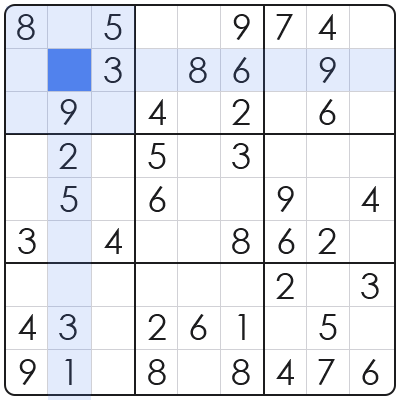
Sudoku with words, also known as Wordoku, is a popular variation of the classic Sudoku puzzle that replaces the standard numerical digits (1-9) with letters of the alphabet. This engaging twist maintains the core logical deduction principles of traditional Sudoku while offering a fresh challenge and accessibility to a broader audience, from seasoned competitive solvers seeking new mental agility tests to casual players who might find letter-based puzzles more intuitive. The fundamental objective remains the same: to fill a 9×9 grid such that each row, each column, and each of the nine 3×3 subgrids (or ‘blocks’) contains every letter of the given set exactly once. This article provides a comprehensive exploration of Wordoku, detailing its underlying logic, strategic application, and comparative advantages, ensuring a deep understanding for all levels of players.
The Underlying Logic of Wordoku Grids
Wordoku operates on the exact same mathematical and structural principles as numerical Sudoku, leveraging a Latin square design with an additional constraint on the 3×3 blocks.
The grid topology, a 9×9 matrix, is divided into nine 3×3 subgrids. Within each row, column, and 3×3 subgrid, a unique set of nine distinct characters must appear without repetition.
In Wordoku, this set is typically the first nine letters of the alphabet (A-I), or sometimes a specific nine-letter word where each letter is unique. The underlying constraint is identical to numerical Sudoku: no character can repeat within any given row, column, or 3×3 block.
This constraint structure is what enables logical deduction and candidate elimination, the cornerstones of solving any Sudoku variant, including Wordoku.
Step-by-Step Application of Wordoku Solving Techniques
To effectively solve a Wordoku puzzle, players must employ a systematic approach, beginning with basic scanning and progressing to more advanced logical deduction methods.
1. **Initial Scan:** Begin by examining each row, column, and 3×3 block for letters that appear frequently. Identify empty cells where only one specific letter can possibly fit based on the constraints of its row, column, and block. This is the most fundamental form of candidate elimination.
2. **Pencil Marks:** For more complex cells, use pencil marks (small notations of possible letters within a cell) to track potential candidates. Based on logic-chain analysis, this helps visualize possibilities and identify interactions between cells.
3. **Naked Singles/Hidden Singles:** Identify cells where only one candidate letter remains after eliminating all other possibilities (Naked Single). Alternatively, find a cell within a row, column, or block where a specific candidate letter can *only* go in that one cell, even if the cell itself has other candidates (Hidden Single).
4. **Advanced Techniques:** As puzzles increase in difficulty, apply more sophisticated strategies like Naked Pairs, Hidden Pairs, Pointing Pairs, and the X-Wing pattern, adapting them to the letter-based system. For instance, a Naked Pair of ‘A’ and ‘B’ in two cells within the same row means ‘A’ and ‘B’ cannot appear in any other cell in that row.
5. **Cross-Referencing:** Constantly cross-reference information between rows, columns, and blocks. The structural necessity of placing a letter in one area often dictates its placement in another, creating a chain reaction of deductions.
Comparative Analysis of Wordoku Strategies
Wordoku, while sharing core logic with numerical Sudoku, offers distinct advantages and complexities when compared to other common strategies.
| Strategy/Technique | Difficulty Level | Frequency of Use | Logical Complexity | Description |
|————————-|——————|——————|——————–|————————————————————————————————————|
| **Sudoku with Words** | Easy to Hard | High | Low to Medium | Replaces numbers with letters, maintaining Sudoku rules; can be more intuitive for some beginners. |
| **Basic Scanning** | Easy | Very High | Low | Finding cells where only one number/letter can fit based on direct row, column, and block constraints. |
| **Naked Pairs** | Medium | Medium | Medium | Two cells in the same unit (row, col, block) contain only the same two candidates, allowing elimination. |
| **Hidden Triplets** | Hard | Low | High | Three candidates are confined to exactly three cells within a unit, allowing elimination of those candidates elsewhere.|
| **X-Wing** | Hard | Low | High | A candidate appears in exactly two cells in two different rows (or columns), and those cells align in columns (or rows). |
The primary benefit of Wordoku for casual players is often the perceived familiarity of letters, which can sometimes speed up the initial pattern recognition compared to abstract numbers.
Common Pitfalls in Wordoku Solving
Even experienced Sudoku players can fall into traps when transitioning to Wordoku, primarily due to subtle psychological shifts or overlooking the fundamental constraints.
1. **Over-reliance on Letter Familiarity:** Players might subconsciously associate certain letters with positions or patterns learned from other word games, leading to assumptions that aren’t logically sound within the Sudoku grid topology. Always verify placement based strictly on row, column, and block constraints, not on pre-conceived notions about letter frequency or common word structures.
2. **Neglecting Block Constraints:** It’s easy to focus heavily on rows and columns, especially when dealing with letters. However, the 3×3 block constraint is equally critical. Failing to consider how a letter affects placement within its block, or how a letter’s placement in a block restricts other cells, is a common oversight. Ensure each 3×3 subgrid is thoroughly analyzed.
3. **Inconsistent Pencil Marking:** When using pencil marks, a lack of discipline can lead to errors. For example, not fully clearing candidates from a cell after placing a definitive letter, or misapplying candidate elimination rules across units. Maintain a clean and consistent system for pencil marks to avoid confusion and ensure accurate logical deduction.
Frequently Asked Questions about Sudoku with Words
**What is Wordoku?**
Wordoku, or Sudoku with words, is a Sudoku variant where letters replace numbers. The goal is to fill a 9×9 grid so each row, column, and 3×3 block contains each unique letter from a set of nine, without repetition.
**Does Wordoku use the entire alphabet?**
No, Wordoku typically uses a specific set of nine unique letters. This might be the first nine letters (A-I) or nine unique letters from a specific nine-letter word. The core Sudoku rules of uniqueness within rows, columns, and blocks still apply.
**Is Wordoku easier than regular Sudoku?**
For some, Wordoku can feel more intuitive due to familiarity with letters. However, the underlying logical deduction required is identical. Difficulty depends on the puzzle’s construction, not just whether it uses letters or numbers.
**What are the basic strategies for solving Wordoku?**
Basic strategies include scanning rows, columns, and blocks for single-possibility placements (Naked Singles and Hidden Singles). Using pencil marks to track potential letters in cells is also crucial for more complex deductions.
**Can advanced Sudoku techniques like X-Wing be used in Wordoku?**
Absolutely. All standard Sudoku solving techniques, from Naked Pairs to X-Wings and Swordfish, can be directly applied to Wordoku. The logic of candidate elimination and pattern recognition remains the same, regardless of whether digits or letters are used.
Sudoku with words, or Wordoku, offers a compelling alternative for Sudoku enthusiasts, blending familiar logical structures with a novel presentation. The mastery of this variant hinges on a steadfast commitment to the ‘Logic-First’ principle that defines all Sudoku puzzles, irrespective of their symbolic representation. By understanding the grid topology, diligently applying candidate elimination, and adapting established techniques to the letter-based system, solvers can enhance their logical reasoning skills and enjoy a richer puzzle-solving experience. Ultimately, whether numbers or letters grace the grid, profound Sudoku mastery is achieved through rigorous deductive reasoning and an appreciation for the elegant constraints that govern these captivating logic challenges.