

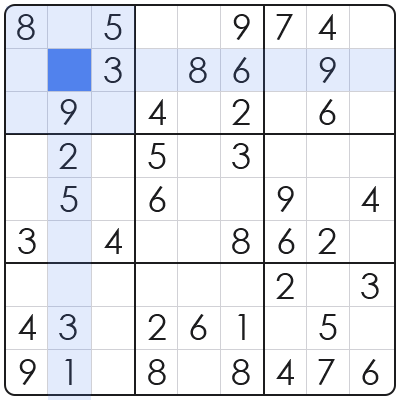
Sudoku: The Intriguing Puzzler – A Comprehensive Guide to Solving the Impossible
Sudoku, a popular logic-based puzzle game, has captured the attention of puzzle enthusiasts worldwide. Often considered a game of numbers, Sudoku challenges players to fill a 9×9 grid with digits so that each column, each row, and each of the nine 3×3 subgrids that compose the grid contain all of the digits from 1 to 9. While many puzzles have a unique solution, some can be labeled as "impossible." Let’s delve into the rules, strategies, and how to solve even the most challenging Sudoku puzzles.
Rules of Sudoku
To start solving Sudoku, here are the basic rules:
- Grid Structure: A Sudoku grid is divided into nine 3×3 subgrids, also known as "boxes" or "blocks."
- Unique Digits: Each row, column, and 3×3 subgrid must contain the digits 1 to 9 without repetition.
- No Gaps: The grid must be completely filled with digits from 1 to 9.
Strategies for Solving Sudoku
- Single Candidate: Look for cells where only one digit can fit. This is a single candidate, and it’s usually the starting point for solving a Sudoku puzzle.
- Pencil Marking: Fill in potential candidates for each cell using pencil marks. This helps you keep track of possibilities without cluttering the grid.
- Elimination: Use the rules to eliminate incorrect candidates for each cell, making it easier to find the correct solution.
- X-Wing and Swordfish: Advanced strategies involve identifying patterns that can help you deduce the correct number for a cell, even when it’s not immediately obvious.
Solving the Impossible Sudoku
While most Sudoku puzzles have a unique solution, some are intentionally designed to be unsolvable. Here’s how to identify and handle them:
- Overlaps: If a number appears in more than one box, row, or column, the puzzle is impossible. Check for overlaps by marking potential candidates and comparing them.
- Missing Numbers: If there’s a row, column, or box missing a number, the puzzle is also unsolvable.
- Contradictions: If you reach a point where two cells in the same row, column, or box cannot have the same number without creating a contradiction, the puzzle is impossible.
Tips for Solving Complex Sudoku
- Patience and Perseverance: Complex Sudoku puzzles require time and patience to solve. Don’t rush the process.
- Practice: Like any skill, solving Sudoku becomes easier with practice. Try different puzzles to improve your strategies.
- Use Online Tools: If you’re stuck, online Sudoku solvers can help you understand the steps to reach the solution.
Sudoku is not just a game of numbers; it’s a test of logic, strategy, and patience. Whether you’re solving an easy puzzle or tackling an "impossible" challenge, Sudoku offers a rewarding and engaging experience. With the right approach and strategies, even the most difficult puzzles can be conquered. Happy solving!