

Sudoku, a number-placement puzzle, has captivated millions globally with its elegant simplicity and profound logical depth. Its appeal transcends linguistic boundaries, finding a robust following among Hindi speakers who seek engaging cognitive challenges. While the rules are universal, understanding how to approach and master Sudoku efficiently requires a structured methodology, which is particularly beneficial for those accustomed to problem-solving in a Hindi context. Based on structural analysis, the core significance of Sudoku lies not just in filling numbers, but in the rigorous application of deductive reasoning. It transforms a seemingly complex grid into a solvable puzzle through systematic elimination and pattern recognition. This structured approach prevents common frustrations associated with trial-and-error, offering a clear path to resolution that enhances analytical thinking. The primary problem Sudoku solves in the contemporary landscape extends beyond mere entertainment; it acts as a mental gymnasium. It sharpens focus, improves memory, and cultivates patience, essential skills in any professional domain. For Hindi-speaking enthusiasts, a well-defined strategy for ‘how to fill Sudoku in Hindi’ ensures that these cognitive benefits are fully realized, providing a robust framework for consistent puzzle completion.
?????? ?? ?????? ?????? ?? ????? (Understanding the Fundamental Structure of Sudoku)
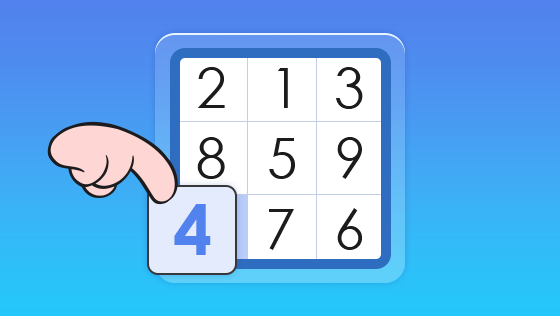
Understanding the fundamental structure of Sudoku is the cornerstone of efficient solving. A standard Sudoku puzzle consists of a 9×9 grid, which is further subdivided into nine 3×3 smaller grids, often referred to as ‘blocks’ or ‘regions’. The objective is to fill every empty cell with a digit from 1 to 9, ensuring that each digit appears exactly once in each row, each column, and each of the nine 3×3 blocks. This tripartite constraint system is what gives Sudoku its unique logical challenge.
From a framework perspective, the constraints create a powerful network of interdependencies. When a number is placed in a cell, it instantly eliminates that number as a possibility from the corresponding row, column, and 3×3 block. This elimination process is central to all Sudoku solving techniques, moving from global observations to specific cell deductions. The empty cells represent a landscape of possibilities that are progressively narrowed down through logical inference, rather than arbitrary choice.
In practical application, recognizing the interplay between these three structural elements—rows, columns, and blocks—is paramount. Many advanced techniques leverage these interactions to identify unique positions for numbers. For instance, if a number can only appear in a specific row within a block, its presence in that block’s row impacts other cells in that same row outside the block. This foundational understanding lays the groundwork for all subsequent solving strategies, making it essential for anyone learning ‘how to fill Sudoku in Hindi’ effectively.
?? ?????? ????? ???? ????: ?????? ??????? ?? ????????? (How to Fill a Sudoku Puzzle: Applying Fundamental Techniques)
Applying fundamental techniques is crucial for systematically progressing through a Sudoku puzzle. The initial phase involves identifying ‘Naked Singles’ (???? ???). This direct answer syntax defines Naked Singles as cells where, after considering all existing numbers in its row, column, and 3×3 block, only one possible candidate digit remains. Systematically scanning the entire grid for these clear deductions often unlocks the first wave of entries and simplifies the puzzle significantly.
Following Naked Singles, the next critical technique is identifying ‘Hidden Singles’ (???? ??? ???). A Hidden Single occurs when a particular digit can only be placed in one specific cell within a given row, column, or 3×3 block, even if that cell has multiple other candidate digits. For example, if the number 5 can appear in three cells in a row, but in two of those cells, the number 5 is blocked by other constraints from their respective columns or blocks, then the remaining cell must contain the 5. This requires a more meticulous scan of individual rows, columns, and blocks for missing numbers and their unique placement.
Based on structural analysis, consistent ‘Candidate Scanning’ (??????????? ?? ????? ????) is a foundational practice. This involves noting down all possible candidate numbers for each empty cell, either mentally or physically (using a pencil or digital notes). Regularly updating these candidate lists as numbers are placed is vital. This systematic approach, combined with the identification of Naked and Hidden Singles, forms the robust bedrock for solving most easy to medium-difficulty Sudoku puzzles and is a key step in mastering ‘how to fill Sudoku in Hindi’.
???? ?????? ????????? ?? ??? ????? ????????? (Advanced Strategies for Complex Sudoku Challenges)
Advanced strategies are essential for navigating complex Sudoku challenges where basic singles are no longer sufficient. One such strategy involves ‘Naked Pairs and Triplets’ (????? ?? ?????). This direct answer syntax defines Naked Pairs/Triplets as two or three candidate numbers that are confined to exactly two or three cells within a single row, column, or 3×3 block, thereby eliminating those candidates from all other cells within that same row, column, or block. For example, if cells A and B in a row are the only places where 2 and 5 can go, then 2 and 5 must occupy A and B, removing them from consideration for other cells in that row.
From a framework perspective, ‘Pointing Pairs/Triples’ (???????? ?????/????????) and ‘Claiming Pairs/Triples’ (??????? ?????/????????) are powerful techniques that leverage the interaction between blocks and rows/columns. Pointing Pairs/Triples occur when a candidate number within a 3×3 block is confined to a single row or column within that block. This confinement allows that candidate to be eliminated from all other cells in that specific row or column outside of that block. Conversely, Claiming Pairs/Triples apply when candidates for a specific digit within a row or column are confined to a single 3×3 block, allowing elimination of that digit from other cells within that block.
In practical application, mastering these advanced techniques requires diligent candidate tracking and an eye for emergent patterns. While more complex strategies like X-Wing or Swordfish exist, focusing on Pairs, Triplets, and their pointing/claiming variations provides a significant leap in solving capability. These strategies are particularly useful when the puzzle seems to hit a deadlock, forcing a deeper level of logical deduction. Consistent practice with these methods enhances the solver’s ability to tackle harder puzzles and truly understand the intricacies of ‘how to fill Sudoku in Hindi’ with high efficiency.
????????? ????????: ?????? ?? ?????? ?? ?????? (Comparative Analysis: Sudoku’s Efficiency and Complexity)
A comparative analysis of Sudoku against other logic puzzles reveals its unique blend of accessibility and scalable complexity. Sudoku’s rules, centered around digit placement without mathematical operations, make it straightforward to grasp. Compared to Kakuro, which involves arithmetic sums and number combinations within cages, or KenKen, which adds operators like addition, subtraction, multiplication, and division, Sudoku relies purely on logical elimination within a fixed grid structure. This simplicity in rules contributes to its broad appeal, especially for those new to logic puzzles in a Hindi context.
From an efficiency perspective, Sudoku solving is often faster once basic techniques are internalized. The deterministic nature of its rules means that every step, if correctly deduced, leads directly to a solution or narrows down possibilities significantly. Kakuro and KenKen, by contrast, often require more extensive trial-and-error for sums and operations, potentially consuming more time and mental effort per deduction. Sudoku’s efficiency stems from the direct application of constraints across three axes, making patterns readily identifiable with practice.
In terms of cognitive focus, Sudoku primarily hones pattern recognition, systematic scanning, and deductive reasoning. Kakuro emphasizes arithmetic fluency and combinatorial thinking, while KenKen combines these with spatial reasoning for varied operations. While all three enhance problem-solving, Sudoku’s elegance lies in its pure logical challenge, demanding meticulous observation rather than mathematical prowess. This distinct cognitive engagement makes it a preferred choice for many seeking a pure logic workout, providing a direct pathway to understanding ‘how to fill Sudoku in Hindi’ by focusing on its inherent logical structure.
?? ??????? ?? ????: ?? ???????? ?? ????????? (Avoiding Common Mistakes: An Expert’s Perspective)
Avoiding common mistakes is pivotal for consistent and efficient Sudoku solving, demanding a disciplined approach. One frequent pitfall is ‘Hasty Guessing’ (???????? ??? ?????? ?????). This direct answer syntax defines Hasty Guessing as placing a number without rigorous logical deduction, often driven by impatience or a perceived lack of progress. Based on structural analysis, Sudoku is a deterministic puzzle; every correct entry must be logically provable. Guessing not only introduces potential errors but also complicates backtracking, making it harder to identify the source of a mistake.
From a framework perspective, a common error is ‘Not Tracking Mistakes’ (??????? ?? ????? ? ????). When a contradiction arises, many solvers struggle to pinpoint where the initial incorrect entry was made. This leads to frustrated restarts or abandoning the puzzle. The professional solution involves methodical candidate notation and, if guessing becomes unavoidable for advanced techniques, marking potential ‘trial’ entries clearly. In physical puzzles, a pencil and eraser are indispensable; in digital formats, utilize the undo function and candidate marking tools judiciously.
In practical application, another significant mistake is ‘Sticking to One Pattern’ (?? ?? ?????? ?? ??? ????). Solvers might become proficient with basic singles but fail to adapt when facing more complex scenarios. The expert advice is to continuously expand your repertoire of techniques. When stuck, review the grid for different types of patterns—Naked Pairs, Hidden Pairs, Pointing Pairs, or even more advanced X-Wings if you’re ready. This adaptability ensures that no puzzle is insurmountable and reinforces the learning process for ‘how to fill Sudoku in Hindi’ with increasing proficiency.
?????? ????? ??? ???? ?? ???? ??? ????? ???? ???? ???? ?????? (FAQs about Filling Sudoku in Hindi)
Q1: ???? ?????? ???? ?? ??? ?????? ????? ??? (Is there a quick way to fill Sudoku?) A1: ????, ?????? ???? ??? ?? ???? ?? ????? ?? ?????? ??? ???????? ?????? ?? ????????????? ????? ?? ?????? ?? ??? ???? ?????, ??? ???? ?? ???????? ???? ???
Q2: ?????? ??? ??????? ????? ?? ??? ???? ????? ?????? ???? ??? (What’s the best strategy for beginners in Sudoku?) A2: ??????? ????? ?? ???? ??? ?? ???? ??? ??? ??????? ?? ????? ???????? ???? ?????, ?? ??? ??????? ??????????? ?? ??? ???? ?? ?????? ???? ??????
Q3: ???? ?????? ?? ????? ??? ???? ??? ??? (Is filling Sudoku in Hindi different?) A3: ?????? ?? ???? ?????????? ???? “????? ???” ?? ???? ???? ?? ?? ?? ????????? ?? ????? ?? ????? ???? ??? ???????? ???? ???? ??, ?????? ?? ??? ?????? ???? ??????
Q4: ??? ???? ?????? ?? ???? ?? ??? ???? ???????? (How do I improve my Sudoku solving speed?) A4: ?????? ?????? ?? ????? ??????? ???? ???????? ???? ?? X-???? ?? ????? ???? ??? ?? ?????? ?? ???? ????????
Q5: ???? ?????? ?? ???? ?? ??? ??? ?? ?? ?????? ??? ??? (Are there any apps or online tools for solving Sudoku?) A5: ???, ?? ?????? ?? ?? ????????? ??? ?? ??????? ?????? ?????? ?? ?????? ???????? ?????? ???? ??? ?? ?????? ??? ?????? ?? ??? ????? ?? ???? ????
In conclusion, mastering ‘how to fill Sudoku in Hindi’ transcends merely placing numbers; it is a profound exercise in systematic logical deduction and pattern recognition. The long-term strategic value of engaging with Sudoku lies in its ability to cultivate critical cognitive skills—focus, patience, and analytical thinking—that are universally applicable across various professional and personal domains. From a forward-looking industry insight, the enduring appeal of logic puzzles like Sudoku underscores the human desire for structured problem-solving, reaffirming its status as a timeless tool for mental acuity and strategic development in any language.