

## How to Code a Sudoku Puzzle: A Step-by-Step Guide
### Understanding Sudoku
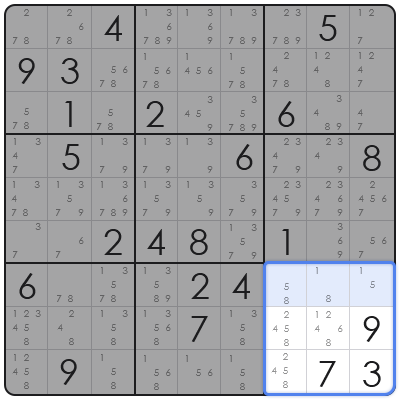
First things first, let’s get a grasp on what a Sudoku puzzle is. It’s a number-placement puzzle that’s a lot of fun and can be quite challenging. The objective is to fill a 9×9 grid with digits so that each column, each row, and each of the nine 3×3 subgrids that compose the grid contain all of the digits from 1 to 9. Here’s how you can start coding one.
### Step 1: Create the Grid
Start by creating a 9×9 grid. You can use a 2D array or any other data structure that you’re comfortable with.
“`python
grid = [[0 for x in range(9)] for y in range(9)]
“`
### Step 2: Input the Given Numbers
Next, you need to input the numbers that are already given in the puzzle. This can be done by assigning values to specific cells in the grid.
“`python
given_numbers = [(0, 0, 3), (1, 3, 7), (3, 1, 5), (3, 4, 9), (4, 2, 6), (5, 1, 4), (6, 0, 8), (6, 3, 2), (8, 2, 7)]
for x, y, num in given_numbers:
grid[x][y] = num
“`
### Step 3: Implement the Sudoku Solver
To solve the puzzle, you can implement a backtracking algorithm. This is a common technique for solving constraint satisfaction problems like Sudoku.
“`python
def is_valid(grid, row, col, num):
for x in range(9):
if grid[row][x] == num or grid[x][col] == num:
return False
start_row, start_col = 3 * (row // 3), 3 * (col // 3)
for i in range(3):
for j in range(3):
if grid[i + start_row][j + start_col] == num:
return False
return True
def solve_sudoku(grid):
for i in range(9):
for j in range(9):
if grid[i][j] == 0:
for num in range(1, 10):
if is_valid(grid, i, j, num):
grid[i][j] = num
if solve_sudoku(grid):
return True
grid[i][j] = 0
return False
return True
“`
### Step 4: Run the Solver
Finally, you can run the solver on your grid.
“`python
solve_sudoku(grid)
print(grid)
“`
### FAQ
**Q: Can I use a different data structure to represent the grid?**
A: Absolutely! You can use any data structure that you’re comfortable with as long as it allows you to represent the 9×9 grid and its cells.
**Q: What’s the point of the `is_valid` function?**
A: The `is_valid` function checks whether the number you’re trying to place in a cell is valid. It checks if the number already exists in the same row, column, or 3×3 subgrid.
**Q: Can I solve the puzzle in a different way?**
A: Yes, there are many different ways to solve Sudoku. The backtracking algorithm used here is one of the most common, but there are others like the constraint propagation algorithm and the dancing links algorithm.
**Q: How can I check if the puzzle is solvable?**
A: One way to check if a Sudoku puzzle is solvable is to try solving it. If the solver reaches a point where it can’t find a valid number to place in a cell, then the puzzle is unsolvable. Another way is to use a solver that can tell you whether a puzzle is solvable in a certain amount of time.